
You’ve scanned your paper documents (digitization).
You’ve started using digital tools for everyday tasks (digitalization).
So what comes next?
The next step is the most powerful one: digital transformation.
In this article, we’ll explain:
-
What does digital transformation mean in schools?
-
How is it different from digitization and digitalization?
-
Real-world examples of school transformation.
-
Why digital transformation matters for students, teachers, and leaders.
-
How your school can begin its own transformation journey.
What Is Digital Transformation in Schools?
Digital transformation means rethinking how your entire school works—using technology to improve learning, teaching, and management.
It’s not just about adding new tools.
It’s about changing mindsets, processes, and culture to become more responsive, innovative, and student-centered.
Digital transformation asks:
-
How can technology help us teach better?
-
How can we improve student experience using digital systems?
-
How can we make school operations more agile and efficient?
-
How can we prepare students for a digital future?
It’s a big-picture change, not just a tool upgrade.
The Difference: Digitization vs Digitalization vs Digital Transformation

What Does Digital Transformation Look Like?
Digital transformation touches every part of a school, including:
1. Teaching and Learning
-
Blended and hybrid classrooms.
-
Personalized learning through analytics.
-
Gamified learning to boost engagement.
-
AI-assisted feedback for students.
2. Student Experience
-
24/7 access to learning materials.
-
Digital portfolios instead of paper files.
-
Online feedback and peer collaboration.
-
Clearer learning paths and progress tracking.
3. School Management
-
Automated workflows for scheduling, reporting, and payroll.
-
Cloud-based school data systems.
-
Digital dashboards for principals and school boards.
4. Parent and Community Engagement
-
Parent apps for real-time updates.
-
Online consultation and event registration.
-
Transparent communication and digital trust.
Signs Your School Is Ready for Transformation
You might be ready to take the leap into transformation if:
-
You’ve already adopted digital tools, but want to go deeper.
-
You want your students to thrive in a digital economy.
-
You’re thinking about school improvement, not just tech upgrades.
-
Your school culture supports collaboration, experimentation, and growth.
Real-World Examples of School Digital Transformation
Here are a few examples you can learn from:
-
A school moves all curriculum planning online, allowing cross-departmental collaboration in real-time.
-
Teachers use student data dashboards to tailor lessons to learning needs.
-
A school adopts a learning management system that tracks not only assignments but also emotional check-ins and feedback.
-
The principal uses data visualizations to make school improvement plans more responsive and evidence-based.
-
The school creates a digital helpdesk for both teachers and parents.
Benefits of Digital Transformation in Education
-
Future-ready students
Students learn to think critically, collaborate digitally, and adapt to real-world tools. -
Empowered educators
Teachers have better insights into student progress and more flexible ways to teach. -
Stronger school operations
From finance to facilities, decisions are smarter when powered by data. -
Increased equity and inclusion
Digital tools help reach students with diverse learning needs and backgrounds. -
Better transparency and trust
Digital systems offer clearer communication and accountability.
How to Start Digital Transformation in Your School
You don’t need to do everything at once. Digital transformation is a journey, not a one-time project.
Here’s how you can start:
1. Create a Shared Vision
Bring together leaders, teachers, students, and parents. Ask: What kind of school do we want to be in 5 years?
2. Use What You Already Have
Start with the platforms, devices, and tools your team is already familiar with. Build from there.
3. Build Digital Culture
Encourage curiosity, experimentation, and teamwork. Celebrate small wins. Learn from mistakes.
4. Invest in Professional Development
Support teachers with training, mentoring, and time to try new tools in class.
5. Measure What Matters
Track progress using simple indicators: student engagement, teacher satisfaction, operational efficiency, and equity.
Digital transformation is not just about buying more devices. It’s about transforming how your school works, learns, and grows. It’s about preparing students—and your school system—for the world they will inherit.
This is the final step in your digital journey:
-
Digitization helps you go paperless.
-
Digitalization helps you work smarter.
-
Digital transformation helps you reimagine what’s possible.
Your school can lead the way. Not by becoming high-tech overnight—but by becoming thoughtful, student-focused, and future-ready. Let’s build smarter schools together. One bold step at a time.
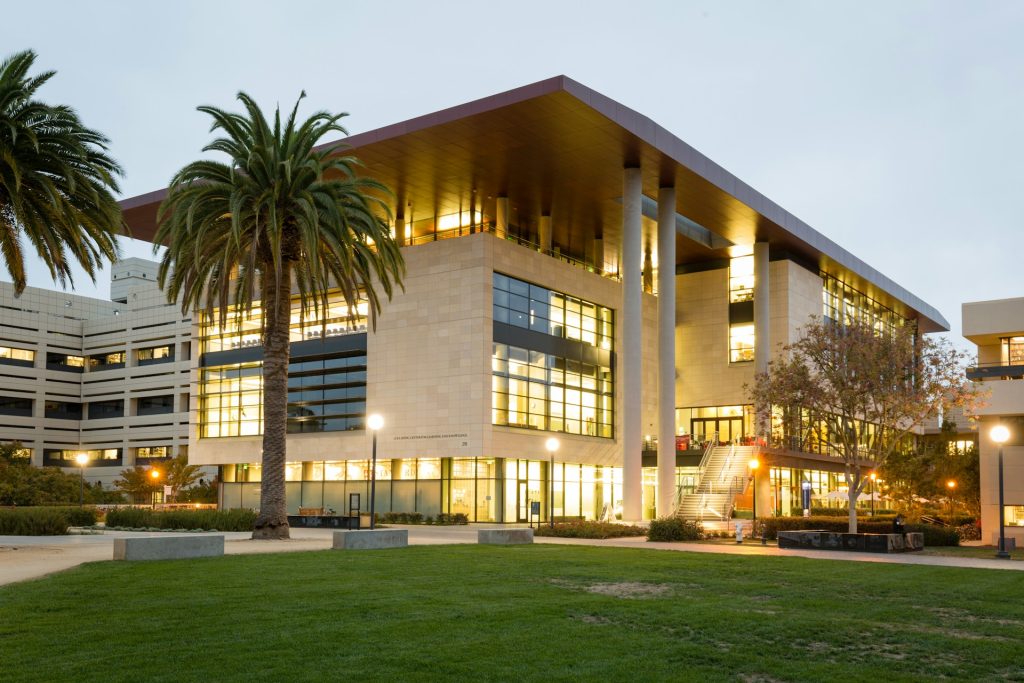
Photo by Ian Mackey on Unsplash