
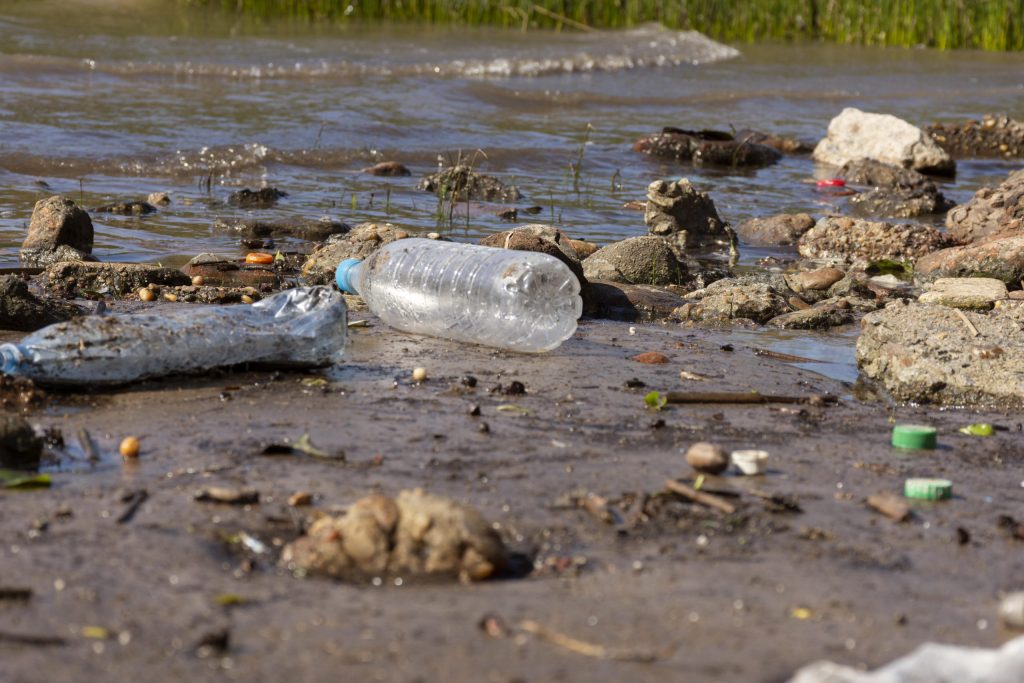
Garbage is a serious problem in Indonesia, especially as the country’s population continues to grow. Like many developing countries, Indonesia struggles with managing large amounts of waste. In fact, Indonesia is one of the countries that produces the most solid waste in the world. There is no single solution to fix this issue, but with better planning and use of technology, improvements can be made. As the economy grows, so does the amount of waste and consumption, which are closely linked.
In many developing countries, including Indonesia, most of the waste is organic—like food scraps or garden waste. Indonesia produced over 65 million tons of solid waste in 2021, putting it in the top five waste-producing countries. Raising public awareness about this issue is very important. Experts believe that by 2025, more than half of the world’s solid waste will come from developing countries. Without the right systems and infrastructure, it’s hard to manage this waste properly.
Jakarta, the capital city of Indonesia, creates the most waste in the country. This is because it’s a hub for trade, communication, business, and job opportunities, attracting people from across the nation. As more people move to Jakarta for work and education, the amount of waste increases. However, managing such a large and growing population is challenging. A study from years ago showed that only 70% of waste was being collected, while the rest often ended up in rivers, streets, or the ocean.
A large portion of this waste ends up in Bantar Gebang, a landfill covering over 100 hectares. Thousands of tons of garbage arrive there every day. Many people work in this landfill, collecting recyclable materials, but they are exposed to harmful conditions. The landfill also produces dangerous gases like methane and carbon dioxide, which contribute to climate change. In addition, during the COVID-19 pandemic, medical waste increased sharply and added to the problem. Waste from the hospitality industry, such as hotels and restaurants, is also rising as tourism grows.
The Indonesian government has tried to fix the problem. For example, it introduced a rule that encourages people to separate waste at the source—before it is thrown away. But public awareness and habits have been hard to change. Some cities in other countries, like Tokyo, manage their waste much better despite also being crowded and busy. The key difference is that those cities have better systems in place and more public participation in keeping the environment clean.
The truth is that many people still throw their trash wherever they want, even when trash bins are available. This makes the situation worse and affects everyone’s quality of life. To fix the problem, both technical and non-technical solutions are needed. This includes better planning, stronger rules, public education, and more effective systems. Waste keeps changing in type and amount, so we need flexible and smart systems to deal with it.
To solve this issue in a modern way, the government and organizations should use technology. Using ICT (Information and Communication Technology) can help create better ways to track, manage, and reduce waste. With proper tools and smart planning, solid waste management can become more efficient and effective—not just in Jakarta, but across the country.