
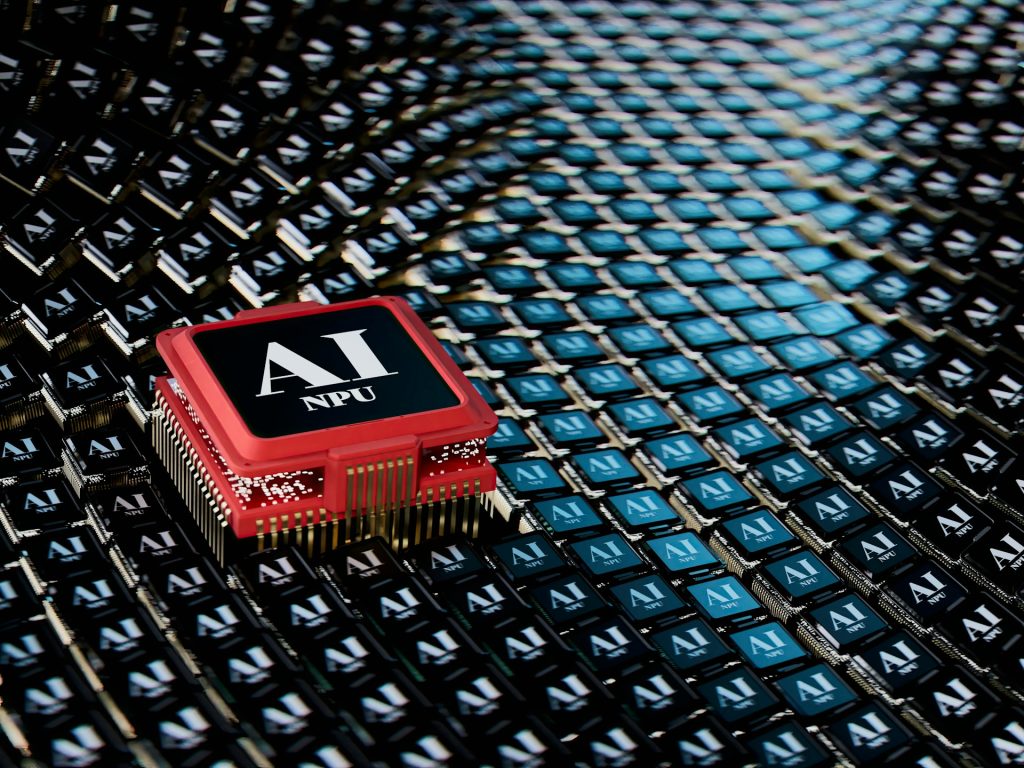
The planned AI infrastructure project in Central Java shows that AI growth depends not only on software, but also on power, connectivity, capital and talent, creating opportunities far beyond the technology sector.
Artificial intelligence is often discussed through the lens of applications. Chatbots, copilots, recommendation systems and generative tools usually dominate public attention. However, the growing push to develop AI infrastructure in Indonesia suggests that the bigger story may lie beneath the surface.
The planned AI Factory in Batang, Central Java, highlights a broader shift in how AI should be understood. Rather than being seen only as software, AI is increasingly becoming part of a larger ecosystem involving computing infrastructure, data centers, electricity, telecommunications, cooling systems, financing and skilled human resources.
This makes the Batang project more than a single investment in digital infrastructure. It offers a glimpse into how AI can stimulate a wider business ecosystem in Indonesia.
From application to infrastructure
For most users, AI appears simple. A prompt is entered, and a response is generated in seconds. Behind that interaction, however, lies a complex chain of technologies.
AI applications depend on models. Those models require high performance computing, usually powered by GPUs and large scale cloud systems. These systems operate inside data centers, which in turn depend on reliable electricity, cooling, connectivity, water and security.
In practice, this means AI services are built on a physical and digital infrastructure stack. As demand for AI continues to grow, so does the importance of the industries that support it.
This is where the Batang project becomes relevant.
A major AI infrastructure project
Zankore by Indosat has been introduced as an AI infrastructure initiative in Indonesia with plans to scale toward 1 gigawatt of AI capacity. The project involves a partnership among Indosat Ooredoo Hutchison, Ooredoo Group, NVIDIA and Nokia.
At one level, the project can be understood as a major infrastructure investment aimed at supporting AI computing capacity. At another level, it represents a broader effort to position Indonesia as part of the emerging regional AI landscape.
More importantly, the project illustrates how large AI infrastructure is not built by one company alone. It is developed through a combination of telecom capabilities, computing technology, network infrastructure, investment capital and local ecosystem support.
One project, many businesses
The business significance of the Batang AI Factory lies in the range of industries it can activate.
An AI facility of this scale does not only benefit software developers or global technology firms. It can create demand for cloud services, cybersecurity, logistics, maintenance, construction, cooling systems, renewable energy, power management, education and talent development.
In this sense, the project demonstrates that AI is not merely a software opportunity. It is also an infrastructure, services and ecosystem opportunity.
A cloud provider may use the facility to deliver enterprise AI services. A cybersecurity company may offer protection for AI and data operations. Energy providers may support the power requirements of the facility. Universities and training institutions may help prepare the engineers, analysts and developers needed to operate and expand the ecosystem.
The value created by such a project therefore extends well beyond the main site itself.
Ecosystem value, not isolated value
Traditional business thinking often focuses on a company, a product and a customer. Digital ecosystems work differently.
In the Batang case, value is created through collaboration. Ooredoo Group contributes capital and regional reach. Indosat brings telecommunications infrastructure and local market presence. NVIDIA provides AI compute technology, while Nokia contributes network infrastructure. Financial institutions may support the funding structure, and other service providers can build complementary offerings around the core platform.
This reflects one of the central ideas in digital business today: competitive advantage is shaped not only by a firm’s internal capabilities, but also by the strength of the ecosystem surrounding it.
The Batang AI Factory is therefore not simply a digital facility. It is potentially the core of a broader business network in which different players create different parts of the overall value.
Infrastructure first, then complementors
One useful way to understand the project is to view it in stages.
The first stage is core infrastructure, including AI compute, data centers, networks, electricity and cooling.
The second stage involves complementors, or businesses that build around the infrastructure. These may include cloud service providers, cybersecurity firms, analytics companies, logistics providers, education and training partners, and energy solution companies.
The third stage involves customers, such as enterprises, government agencies, startups and developers that use the infrastructure and services for real world purposes.
The final stage is value creation, where the ecosystem generates AI services, productivity gains, innovation and new business models.
This progression helps explain why digital infrastructure projects matter to a wide range of industries, not only to technology firms.
Opportunities beyond big tech
The Batang case also challenges the assumption that the AI economy is only for global technology giants.
Smaller businesses may find opportunities by solving more focused problems within the ecosystem. Some may provide training and certification. Others may specialize in cooling systems, sustainability solutions, energy monitoring, consulting or enterprise software integration.
For entrepreneurs, the question is not necessarily how to build an AI factory, but how to identify the unmet needs that arise around one.
This shift in perspective matters. It moves the conversation from simply using AI tools to understanding how AI infrastructure can generate entirely new markets.
A lesson for Indonesia’s digital future
As Indonesia expands its digital economy, projects such as the Batang AI Factory show that the future of AI will depend on much more than algorithms and applications.
It will depend on whether the country can build and connect the necessary layers of infrastructure, business support and talent.
For students, educators, entrepreneurs and business leaders, this is an important lesson. AI may be experienced as software, but its long term impact will be shaped by the ecosystem around it.
The Batang AI Factory suggests that the next phase of Indonesia’s AI development may not be defined only by what people can build with AI, but also by what they can build around it.